West Virginia
Signs Your HVAC System Needs Professional Attention (Before It Breaks Down)
Relax... Leave Your Comfort to Us!
5.0

Rating by 1409+ Customers

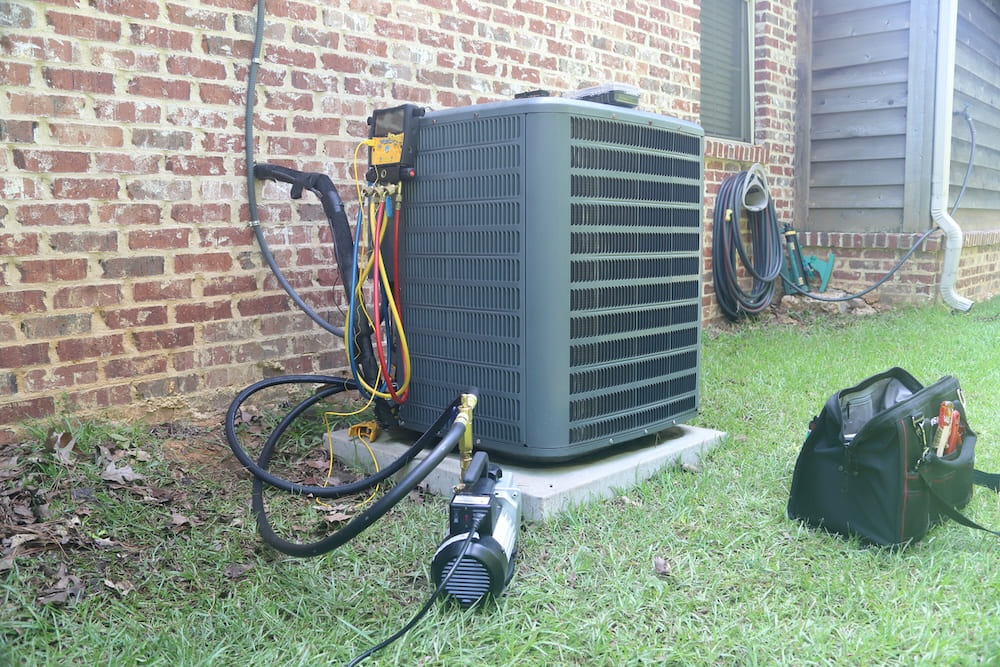
Maintaining a comfortable home in Western Pennsylvania and North Central West Virginia requires a heating, ventilation, and air conditioning system that functions flawlessly year-round. From the freezing, snow-heavy winters of Pittsburgh to the humid, scorching summer afternoons in Morgantown, your climate control equipment works around the clock. Unfortunately, many homeowners adopt a strategy of waiting until their system completely stops working before they call an HVAC technician. By the time a furnace or air conditioner shuts down entirely, you are often left facing an expensive emergency repair bill during the busiest season of the year.
Heating and cooling systems rarely fail without warning. In almost every case, an aging or stressed unit will drop subtle hints that its components are beginning to wear down. Learning how to spot these early red flags allows you to address minor mechanical issues before they snowball into catastrophic equipment failures. Partnering with a professional team like Absolute Heating & Air for timely interventions extends the lifespan of your equipment, keeps your monthly utility bills manageable, and ensures your family never gets left in the cold or heat. This guide details the primary warning signs that indicate your home comfort system needs immediate professional evaluation.
Unusual Sounds: Listening to Your System
Every heating and cooling system makes a baseline level of noise when it cycles on and off. You might hear a gentle hum as the outdoor condenser fan kicks into gear, or a soft rush of air through the supply vents when the furnace blower starts. These are normal operational sounds. However, when your system begins producing new, loud, or jarring noises, it is actively trying to communicate a mechanical or electrical issue that requires professional diagnostic tools.
Screeching, Squealing, and Rattling
High-pitched screeching or squealing noises usually stem from the blower motor assembly inside your indoor unit. In many older systems, this sound points directly to a frayed, slipping, or misaligned fan belt. In newer models, a sharp squeal typically indicates that the bearings inside the motor are failing due to friction and age. Ignoring this sound will eventually cause the motor to seize up entirely, cutting off all airflow to your home.
Rattling noises, on the other hand, are often caused by loose components. This could be something as simple as a loose access panel vibrating against the metal casing, or it could point to a more serious issue like a loose fan blade hitting its protective housing.
Clanking, Banging, and Electrical Chatter
If you hear a distinct clanking or banging sound coming from your furnace or air conditioner, shut the system down immediately. This heavy metal-on-metal sound usually means a critical internal component has broken loose or become severely misaligned. In a cooling unit, it often indicates a broken connecting rod or piston inside the compressor. In a furnace, it could mean the blower wheel has disconnected from its motor shaft and is spinning wildly against the internal housing, which can cause massive structural damage to the unit if left running.
Electrical chatter or a sharp, repetitive clicking sound when the system tries to start is another urgent red flag. While a single click from your thermostat is normal, continuous clicking from the outdoor unit or indoor closet suggests an electrical failure. This symptom usually points to a failing capacitor, a faulty relay switch, or a damaged electrical contactor that cannot safely send power to the compressor or fan. Continually running a system with failing electrical components can destroy expensive parts or trigger an electrical short circuit.
Weak Airflow and Temperature Discrepancies
When your climate control system is running, the air moving through your home should feel strong and consistent across every single room. If you notice a sudden drop in air pressure or find that certain areas of your property are uncomfortable, the internal components are likely struggling to maintain equilibrium.
Why Vent Airflow Sudden Drops Indicate Bigger Problems
A noticeable drop in the volume of air pushing through your supply registers is a primary indicator of system strain. When airflow slows down to a gentle drift, it forces your system to run longer cycles to meet your thermostat settings. This symptom typically points to a few specific issues:
- Severely Clogged Air Filters: Dust and pet dander can completely block the airflow path, forcing the blower motor to pull twice as hard to move air.
- Failing Blower Motor Assemblies: The capacitor driving the fan or the motor windings themselves may be losing the electrical strength needed to spin at maximum speed.
- Collapsing or Damaged Ductwork: Disconnected joints or crushed flexible ducts in your attic or crawlspace allow conditioned air to escape into unconditioned zones before reaching your living areas.
- Frozen Evaporator Coils: A restriction in airflow can cause the indoor cooling coil to drop below freezing, developing a thick layer of ice that completely blocks any air from passing through.
Short Cycling and Home Hot Spots
Short cycling occurs when an HVAC system turns on, runs for a brief few minutes, shuts down prematurely, and then restarts the entire process shortly after. This behavior prevents the system from completing a natural, efficient cooling or heating cycle.
- Overheating Heat Exchangers: During winter, a lack of airflow can cause a furnace heat exchanger to exceed safe temperatures, triggering the high limit switch to shut down the burners.
- Clogged Condenser Coils: If the outdoor unit cannot release heat due to a buildup of dirt, leaves, or grass clippings, internal pressure sensors will kill power to protect the compressor.
- Faulty Thermostat Placement: Thermostats installed near direct sunlight, drafty windows, or heat sources will register false readings, causing the unit to cycle on and off rapidly.
- Improper System Sizing: An oversized system will rapidly blast a home with air and shut off before properly dehumidifying or balancing temperatures across the entire floor plan.
Spiking Utility Bills: The Cost of Inefficiency
It is entirely natural for your gas or electric bills to climb during the peak weeks of January or July. However, if your monthly energy costs are significantly higher than they were during the same calendar month last year, your HVAC equipment is losing its operating efficiency.
Analyzing Sudden Jumps in Gas or Electric Usage
When mechanical components wear out or lose their lubrication, the system requires more electrical current or fuel to achieve the exact same heating and cooling results.
- Failing Compressors: A damaged compressor valve forces the motor to draw excess amperage to pump refrigerant through the lines.
- Leaking Refrigerant Lines: Low refrigerant levels force the air conditioner to run continuously without ever reaching the target temperature on your thermostat.
- Leaking Duct Networks: Studies show that typical duct leaks can waste up to 30% of an HVAC system’s energy output into empty wall cavities or crawlspaces.
- Aging Component Friction: As bearings dry out and mechanical parts age, friction increases, directly inflating your monthly utility costs.
Strange Odors and Indoor Air Quality Warning Signs
Your nose is often just as reliable as your ears when it comes to identifying hidden mechanical trouble. If your home begins to smell unusual the moment the blower fan kicks on, it is a sign that contaminants or electrical components are degrading inside your system.
Identifying Dangerous Scents and Air Quality Fluctuations
- Musty, Mildew Smells: A stale, damp odor coming from your vents usually indicates standing water or biological growth inside your ductwork or drain pan. If the condensate drain line gets backed up, moisture accumulates inside the dark indoor unit, creating a perfect breeding ground for mold that spreads through your indoor air.
- Burning, Metallic Odors: A distinct scent of burning plastic, rubber, or ozone indicates that electrical wiring is overheating. This often happens when a motor is burning out, wires are melting due to a short circuit, or a major component is pulling too much electrical current.
- Rotten Egg, Sulfur Scents: For homes utilizing natural gas furnaces, a sulfur smell is an emergency warning sign. Gas companies mix this odor into natural gas to alert homeowners of a leak. If you smell this, leave the home immediately and call local professionals to inspect your lines.
- Surges in Indoor Dust: If you notice a sudden, heavy accumulation of dust on your furniture shortly after cleaning, your duct system may have developed holes that are actively pulling dirty air from your attic or basement and blasting it into your living spaces.
Visual Red Flags Around the Units
Taking a few minutes to visually inspect your indoor furnace and outdoor condenser unit can reveal physical issues before they lead to a complete system shutdown.
Spotting Leaks, Ice, and Mechanical Corrosion
- Water Pooling Near the Furnace: Modern high-efficiency furnaces produce moisture through condensation during the heating cycle. If the internal drain lines, traps, or condensate pumps crack or become clogged, this water will pool around the base of your unit, threatening to ruin your surrounding floors and short out delicate lower circuit boards.
- Ice Formations on Copper Lines: Seeing ice or thick frost on the outdoor copper refrigerant lines during a warm summer afternoon is a major red flag. This physical buildup means the indoor coil has frozen completely solid, which can easily liquid-lock and destroy your expensive outdoor compressor if the system is not turned off immediately.
- Visible Rust and Corrosion: Flaking metal or orange rust trails on the exterior casing of your furnace or evaporator coil box suggest a long-standing moisture leak. Corrosion weakens structural integrity and can lead to cracks in your heat exchanger, allowing dangerous combustion gases to compromise your indoor air quality.
Protect Your Investment with Timely Diagnostics
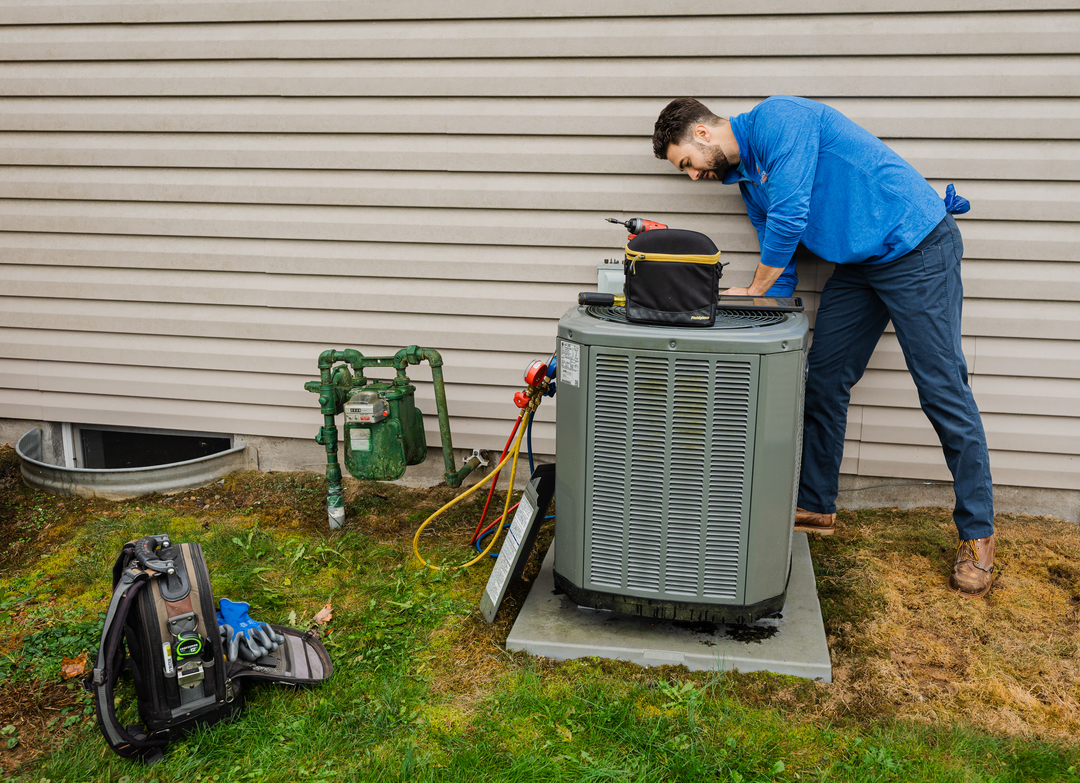
If your heating and cooling equipment is displaying any of these early warning signs, do not wait for the system to stop completely. The certified HVAC experts at Absolute Heating & Air have the experience and advanced diagnostic tools needed to trace these issues back to their source.
Serving homeowners throughout Morgantown, West Virginia, and the greater Pittsburgh, Pennsylvania metropolitan area, we specialize in comprehensive system tune-ups, accurate troubleshooting, and dependable repairs. Contact us today to schedule your professional inspection and secure your year-round home comfort.
Relax... Leave Your Comfort to Us!
Rely on our team to keep your heating and cooling systems running smoothly with service designed for long-term performance. We focus on dependable workmanship and consistent comfort you can count on year-round.